
Emerging Infectious Diseases in 2026: The Role of Rapid Diagnostic Tests in Early Detection
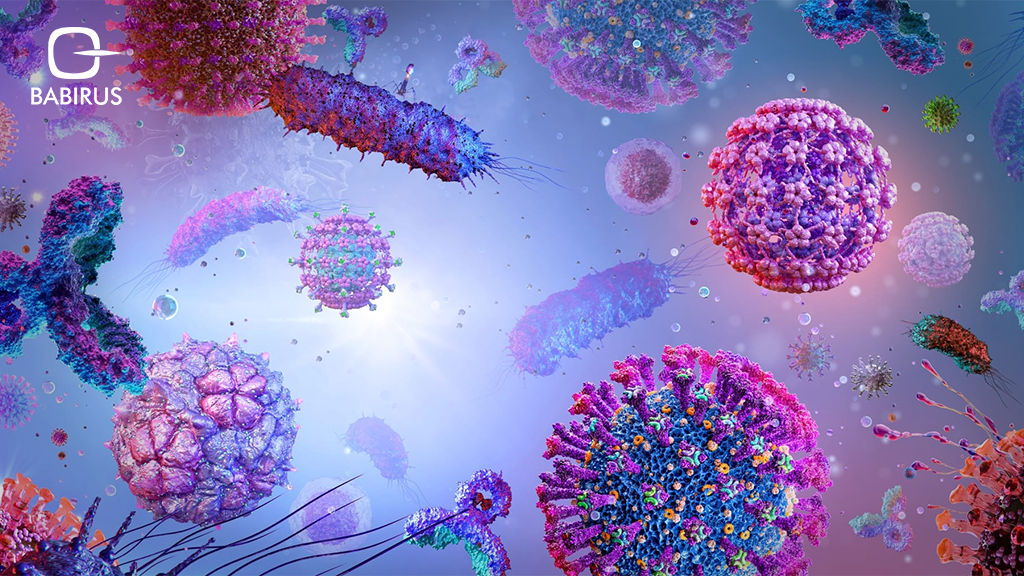
Global healthcare systems continue to face evolving challenges as infectious diseases emerge in new forms and spread across regions with increasing speed. Advances in travel, environmental change, population density, and microbial adaptation have reshaped how infections develop and transmit worldwide.
As healthcare progresses into 2026, emerging infectious diseases remain a growing concern for clinicians, laboratories, and public health organisations. Managing these threats requires more than effective treatment. It depends on the ability to identify infections quickly, accurately, and close to the point of patient care.
This blog explores the growing impact of emerging infectious diseases, the importance of early infection detection, and how modern rapid diagnostic tests and point of care diagnostics are transforming infectious disease management. It also examines how advances in diagnostic technology are supporting faster clinical decisions, improving outbreak response, and strengthening healthcare preparedness in an increasingly connected world.
What Are Emerging Infectious Diseases and Why Is Rapid Diagnostic Testing Important?
Emerging infectious diseases are infections that are newly identified or rapidly increasing in incidence due to environmental changes, global travel, microbial evolution, or zoonotic transmission. Rapid diagnostic tests enable early infection detection by delivering accurate results within a short timeframe, allowing healthcare providers to initiate treatment quickly and limit disease transmission through effective point of care diagnostics.
Understanding the Growing Threat of Emerging Infectious Diseases
Emerging infectious diseases include both newly discovered pathogens and previously controlled infections that reappear in new populations or geographic areas. Factors contributing to disease emergence include climate variability, urban expansion, antimicrobial resistance, and increased interaction between humans and animals.
Recent global health monitoring has shown rising concern surrounding respiratory viral infections, vector borne diseases, antimicrobial resistant bacteria, and zoonotic pathogens capable of crossing species barriers. Many infections initially present with mild symptoms, making early clinical identification difficult without diagnostic confirmation.
Healthcare systems today must balance rapid response with accurate diagnosis, particularly when infections spread silently before detection.
Why Early Infection Detection Is Central to Modern Healthcare
Delayed diagnosis remains one of the primary drivers of infectious disease transmission. Patients may unknowingly spread infections while awaiting laboratory confirmation, especially when symptoms resemble common illnesses.
Early infection detection improves healthcare outcomes by enabling clinicians to make informed treatment decisions during the earliest stages of disease progression. Faster diagnosis supports patient isolation when necessary and allows targeted therapies to begin sooner.
Early detection contributes to:
- Reduced disease transmission within communities
- Improved patient recovery outcomes
- Better antimicrobial stewardship
- Lower hospital admission rates
- Enhanced outbreak containment measures
In many infectious disease scenarios, diagnostic timing directly influences both clinical success and public health protection.
The Expanding Role of Rapid Diagnostic Tests
Traditional laboratory testing continues to provide highly accurate results but may involve longer turnaround times due to sample transport and processing requirements. During infectious disease outbreaks or emergency clinical situations, waiting several days for confirmation may delay intervention.
Rapid diagnostic tests address this challenge by providing reliable results within minutes or hours. These tests detect pathogens, antigens, or immune responses using advanced molecular or immunological methods.
Rapid testing has become widely used across healthcare settings for respiratory infections, gastrointestinal pathogens, tropical diseases, and viral surveillance programmes. The availability of rapid results allows healthcare professionals to confirm infections during patient assessment rather than after discharge.
Benefits associated with rapid diagnostic testing include improved clinical workflow efficiency, reduced empirical treatment, and more precise infection management.
How Do Rapid Diagnostic Tests Work?
Rapid diagnostic tests identify infectious agents through technologies such as molecular amplification, antigen detection, or antibody recognition. Samples collected from patients are analysed using compact testing platforms capable of producing results within a significantly shorter timeframe than conventional laboratory methods.
By shortening diagnostic timelines, rapid testing enables healthcare providers to begin treatment promptly while limiting unnecessary exposure within healthcare environments.
Point of Care Diagnostics and Decentralised Healthcare Delivery
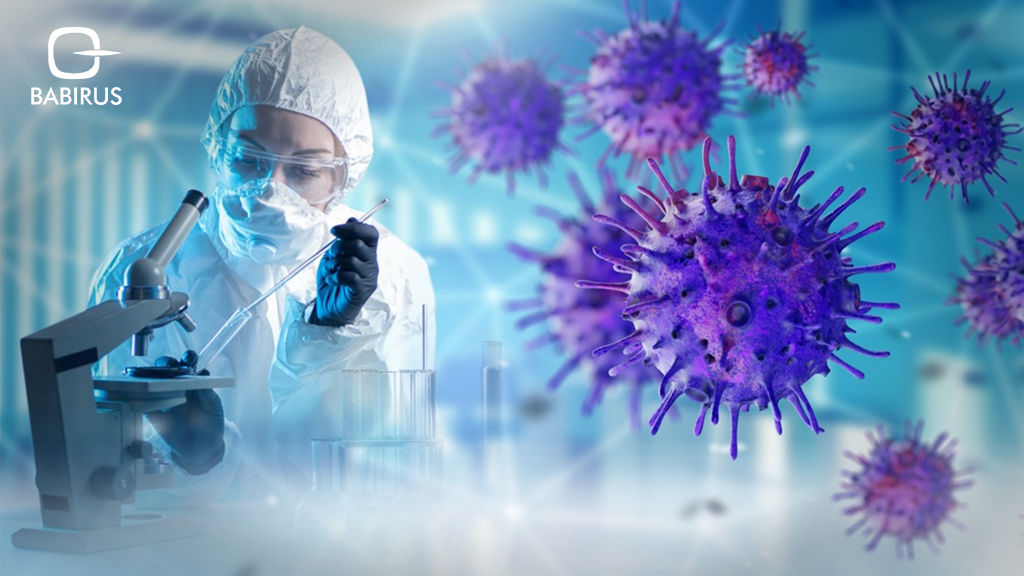
Healthcare delivery models are increasingly shifting toward decentralised testing environments. Point of care diagnostics allow medical testing to take place close to the patient location, including hospitals, outpatient clinics, emergency departments, and remote healthcare facilities.
Testing at the point of care removes delays caused by transporting samples to central laboratories and allows clinicians to make immediate medical decisions.
Point of care diagnostics support:
- Rapid triage and patient management
- Immediate infection control measures
- Expanded diagnostic access in underserved regions
- Reduced burden on central laboratory systems
The growing integration of point of care testing strengthens healthcare system responsiveness, particularly during infectious disease outbreaks.
Technological Advancements Driving Infectious Disease Detection
Advances in diagnostic science continue to improve both speed and analytical performance. Modern platforms combine high sensitivity with operational efficiency, allowing detection even when pathogen concentrations are low.
Innovations shaping infectious disease diagnostics include multiplex molecular testing capable of identifying multiple pathogens simultaneously, portable molecular platforms suitable for mobile healthcare environments, and automated systems designed to reduce manual handling errors.
Digital integration now allows diagnostic data to be transmitted instantly to healthcare networks, supporting surveillance efforts and coordinated public health responses.
Strengthening Global Preparedness Through Diagnostic Innovation
Recent global health events have reinforced the importance of preparedness strategies centred around diagnostic capability. Healthcare organisations increasingly prioritise surveillance programmes supported by scalable testing infrastructure.
Rapid diagnostic technologies assist healthcare systems in recognising outbreaks early, monitoring disease transmission patterns, and implementing infection prevention measures efficiently.
Diagnostic preparedness contributes to healthcare resilience by allowing systems to respond proactively rather than reactively during emerging health crises.
The Future of Emerging Infectious Disease Management
Looking ahead, infectious disease management will continue to rely on accessibility, speed, and diagnostic accuracy. Artificial intelligence assisted analysis, portable diagnostic platforms, and integrated reporting systems are expected to further improve disease monitoring capabilities.
Healthcare providers are moving toward predictive healthcare models where infections can be identified before widespread transmission occurs. Rapid diagnostics will remain central to this transition, supporting clinicians in delivering timely care while strengthening global surveillance networks.
Frequently Asked Questions
As awareness around emerging infectious diseases continues to grow, many questions arise about how infections are detected and managed. The following frequently asked questions offer further clarity on the role of rapid diagnostics and early infection detection in healthcare today.
1- What are emerging infectious diseases?
Emerging infectious diseases are infections that newly appear or rapidly increase in incidence due to environmental, microbial, or population changes.
2- What are rapid diagnostic tests used for?
Rapid diagnostic tests are used to quickly identify infectious pathogens, allowing healthcare providers to begin treatment and infection control measures earlier.
3- What is early infection detection?
Early infection detection involves identifying infections at an early stage before symptoms worsen or transmission spreads widely.
4- What are point of care diagnostics?
Point of care diagnostics refer to medical testing performed near the patient location to provide faster clinical results and immediate decision support.
Conclusion
Emerging infectious diseases continue to shape global healthcare priorities as pathogens evolve and transmission patterns become increasingly complex. In this changing landscape, the ability to diagnose infections quickly has become a defining factor in effective disease management and outbreak control. Timely identification allows healthcare professionals to initiate appropriate treatment, reduce transmission risks, and protect both patients and communities.
The growing adoption of rapid diagnostic tests and point of care diagnostics is transforming how healthcare systems approach infectious disease response. By enabling accurate early infection detection, these technologies support faster clinical decisions and strengthen preparedness against future public health challenges.
As healthcare systems continue to enhance readiness against emerging infectious threats, access to reliable diagnostic solutions remains increasingly important. Babirus contributes to this effort by supporting laboratories and healthcare providers with advanced rapid diagnostic and point of care testing solutions that enable timely infection detection and informed clinical decision making. Through continued advancement in diagnostic technologies, faster and more accessible testing can support improved patient outcomes and a stronger global healthcare response.
About Babirus
Babirus specialises in advanced diagnostic and healthcare solutions supporting laboratories and healthcare professionals through innovative testing technologies designed to improve disease detection and clinical decision making.